Hello, I'm Long Le
Software Engineer
I've had the honour to work wit diverse teams from early-stage startups to large enterprises in the software industry. I am always up for new challenges and continuously seek to improve myself by adapting to new technologies and exploring unfamiliar domains. I blend in quickly, enjoy stepping outside my comfort zone, and stay motivated by solving complex problems and expanding my technical and professional skill set.

My Capabilities
A mix of strategy, execution, and technology
Technical Skills
Hands-on tools and technologies I use daily
Languages
Frameworks
Protocols
Cloud / DevOps
Database
Engineering
Management
Areas of Expertise
High-level domains that I am expert in
Career Journey
Professional Experience
Roles and impact over the years
- Sept 2019 - Present
Software Engineer & Project Manager
Observis Oy, Finland
At Observis, I have worn many hats, from being a full-stack engineer to a system architect and project manager. I was responsible for the development of the Observis's product platform, from the backe...
Key Achievements:- Developed the existing Observis's product eco-system, from the backend to the frontend
- Designed and Architected new features of Observis's products
- April 2019 - Sept 2019
Android Developer
FPT Software, Vietnam
At FPT Software, I was responsible for the development of the Android application for an automotive device. My main focus was on the backend development, especially in the implementing algorithms for ...
Key Achievements:- Developed the backend for the Android application, including the implementation of algorithms for calculating the eco-driving score.
- Developed the UI for the Android application, including the implementation of the main screen and the eco-driving score screen
My Projects
A collection of my work across professional and personal explorations
Professional Projects
ObSAS Shelter
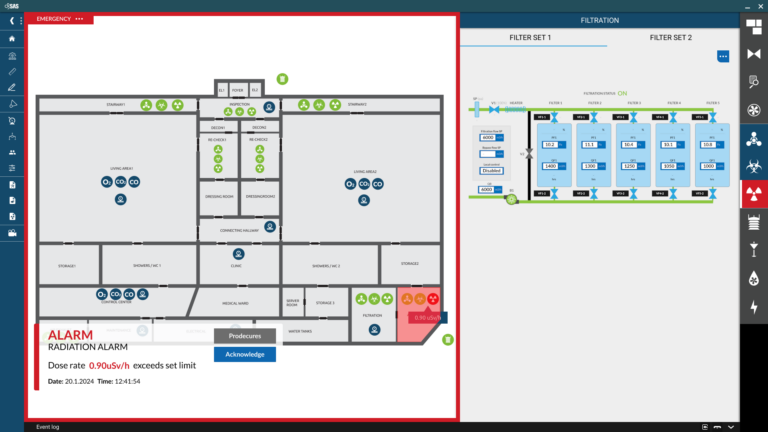
ProfessionalStarting point is the shelter blueprint where user can see the status of each shelter area, doors, valves and any measurement devices at a quick glance. If the devices integrated to the system detect anything unusual ObSAS will display a visual, audio and text notification of the issue.
Key Features:
- 📊 Real-time Data - Real-time data from all connected sensors
- 🤖 Shelter Automations - Shelter automations based on detection data and shelter atmosphere changes
- 🔧 Hardware Independent - Hardware independent solutions because of our large library of integrations
- 🎛️ Unified Control - All shelter systems controlled from one interface
- 📈 System Status - Real-time system status – Filtration health, blast valves etc.
ObSAS Maintenance
Professional
ObSAS LINK
Professional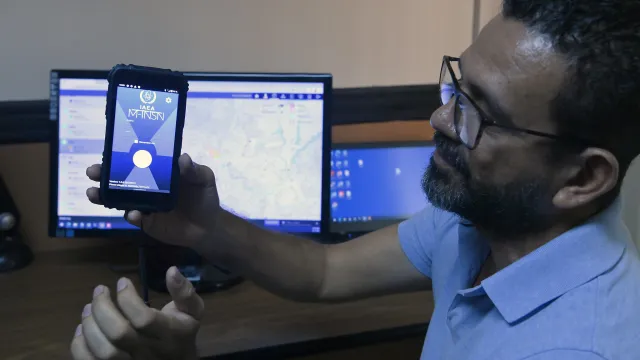
M-INSN
ProfessionalAdministrators have direct access to real-time radiation data with the exact location of the individual users, such as security personnel and radiation experts who use detection equipment, and the system is vendor neutral so any equipment can be incorporated into the user country-controlled software.
Virtual Funeral
Professional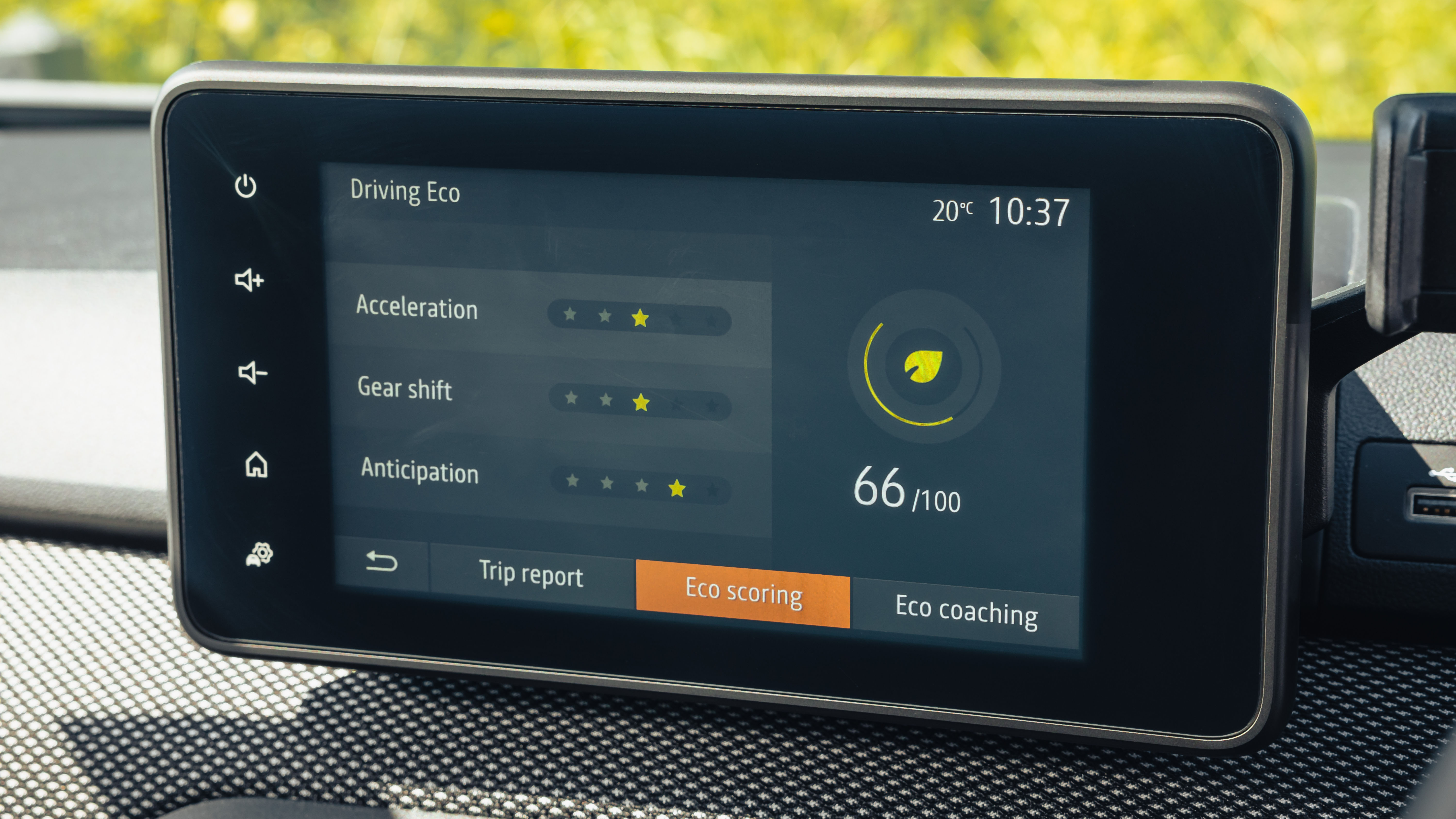
Eco Driving Score
ProfessionalPersonal Projects
Portfolio-generator
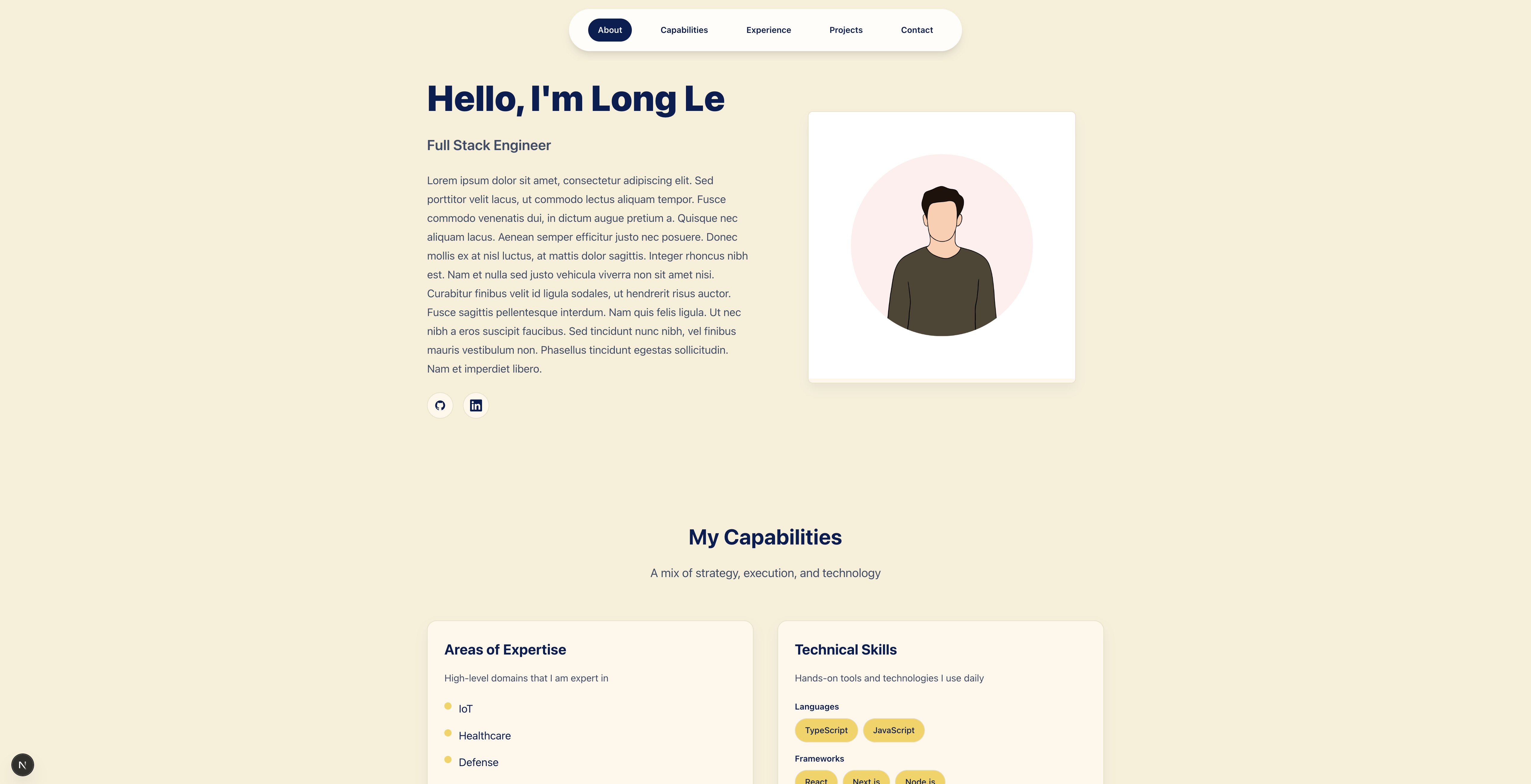
PersonalThis portfolio generator has your back! It automatically syncs with your GitHub repositories, pulls project details straight from your README files, and keeps everything fresh without you lifting a finger. You keep coding, and your portfolio stays updated. It's that simple.
Key Features:
- 🚀 Automatic GitHub Integration - Syncs your repos weekly and shows off both public and private projects (just add a token). Your portfolio grows as you code!
- 🎯 Smart README Parsing - Already wrote a great README? Perfect! This tool grabs descriptions, images, tech stacks, and abstracts from your existing files. Write once, use everywhere.
- 🎨 Configurable Page Styles - Pick from sleek, professionally designed layouts, and you can switch themes in seconds with one environment variable. Current supported styles are:
- Warm Minimalism (Default)
- Aesthetic
- More are coming soon!
workhour-tracker
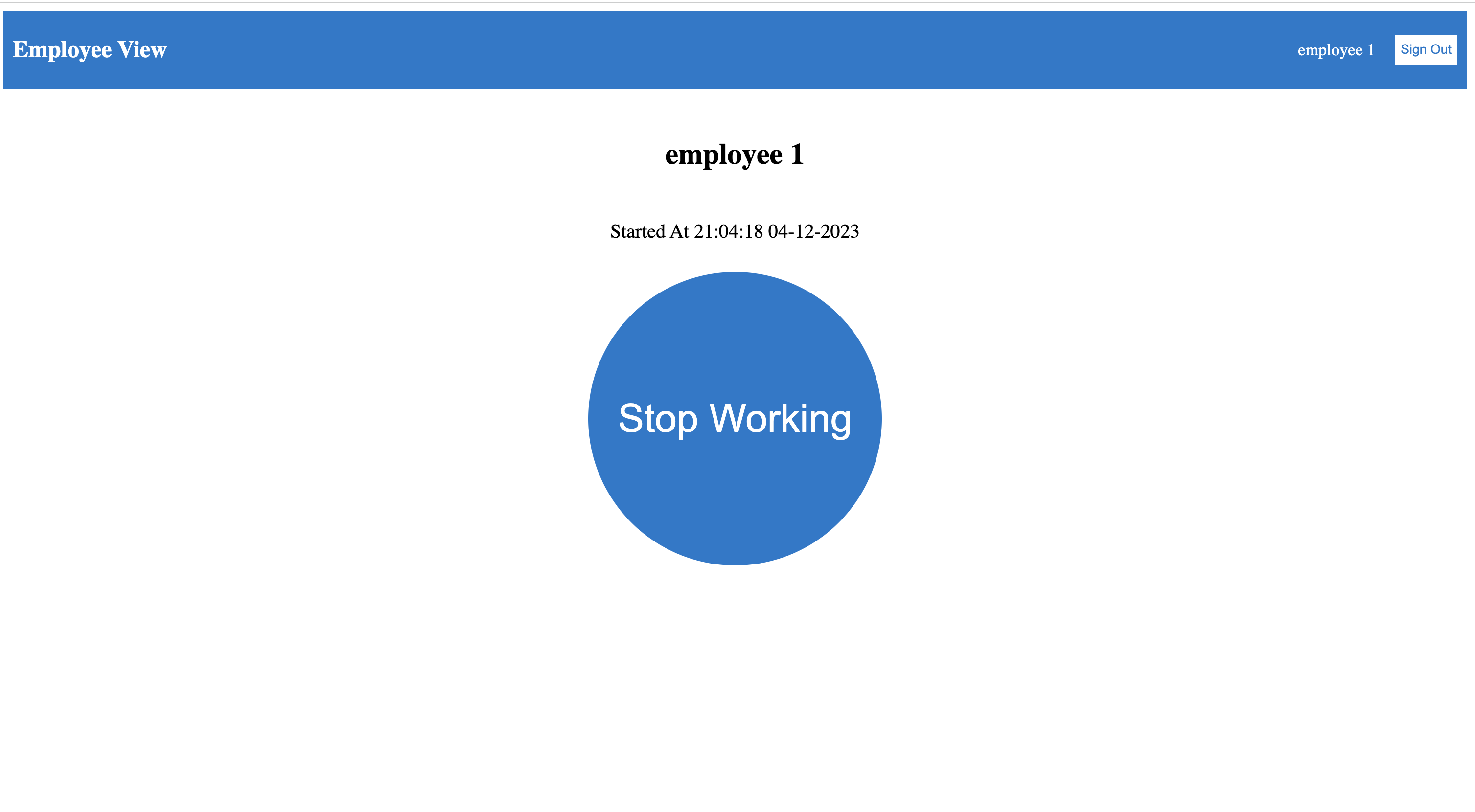
PersonalThe system operates through a role-based access control mechanism, offering two distinct interfaces: an Employee View and an Employer View. Employees can start and stop work sessions using an intuitive circular button interface, which automatically records the start and end times. The application calculates work duration in real-time and stores these records in a PostgreSQL database. Employees can also view their historical work hours through an interactive calendar interface.
Employers, on the other hand, have access to a comprehensive dashboard where they can select any employee from a dropdown menu and view their work hours displayed on a calendar. The calendar highlights days with logged work hours and shows the total hours worked per day, enabling efficient monitoring and management of employee time records.
The application is built using Next.js, which serves both as the frontend framework and backend API layer. Authentication and authorization are handled through Keycloak, ensuring secure access control. The entire system is containerized using Docker, making deployment and scaling straightforward. The application uses Prisma as an ORM to interact with the PostgreSQL database, providing type-safe database operations.
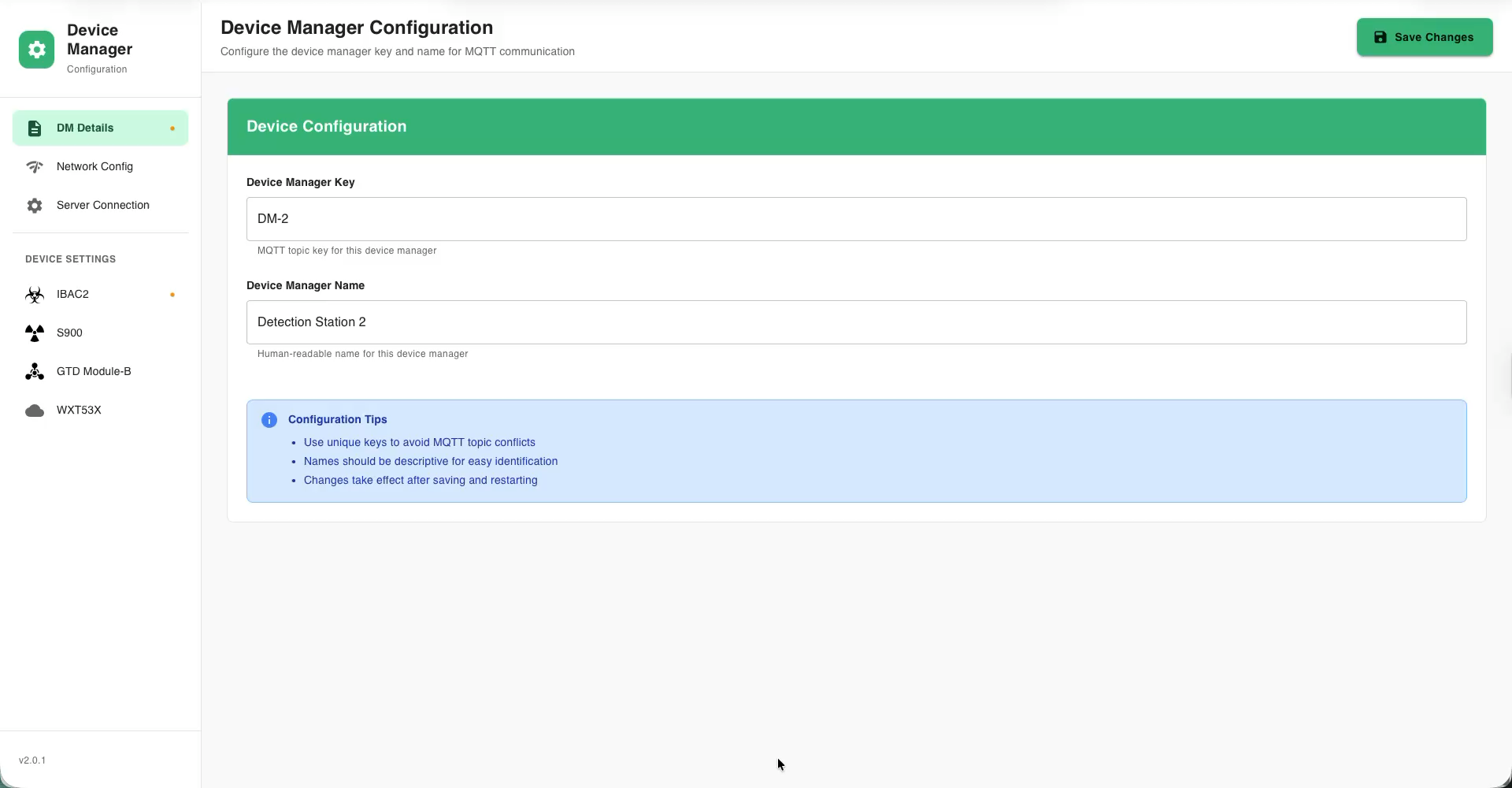
DM-web-conf
PersonalThe project is made for Observis to reduce configuration cost and increase user configurability. This leverages the Observis's product: CBRN Detection Station
---
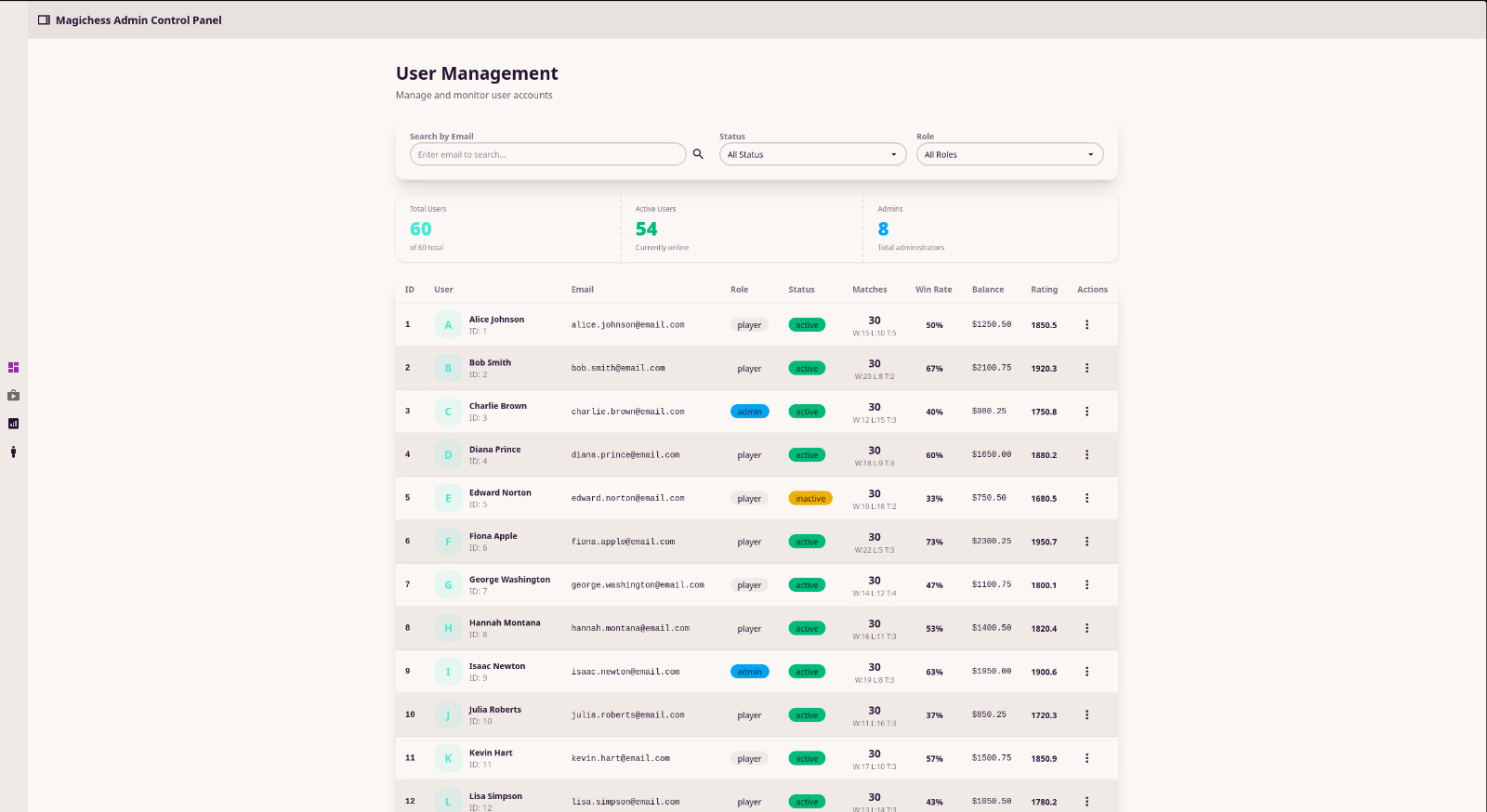
Data-Intensive-System
PersonalThe system architecture includes a primary database for write operations, a read-only replica database for load distribution, and a sharded database for horizontal scaling. The backend API is built with Express.js and TypeScript, providing RESTful endpoints for user management, match tracking, shop operations, and analytics. The frontend is a modern React application with Material-UI components, offering an intuitive interface for players to interact with the game system.
This project showcases advanced database management techniques including streaming replication, database sharding strategies, transaction management across multiple databases, and comprehensive API documentation with Swagger.
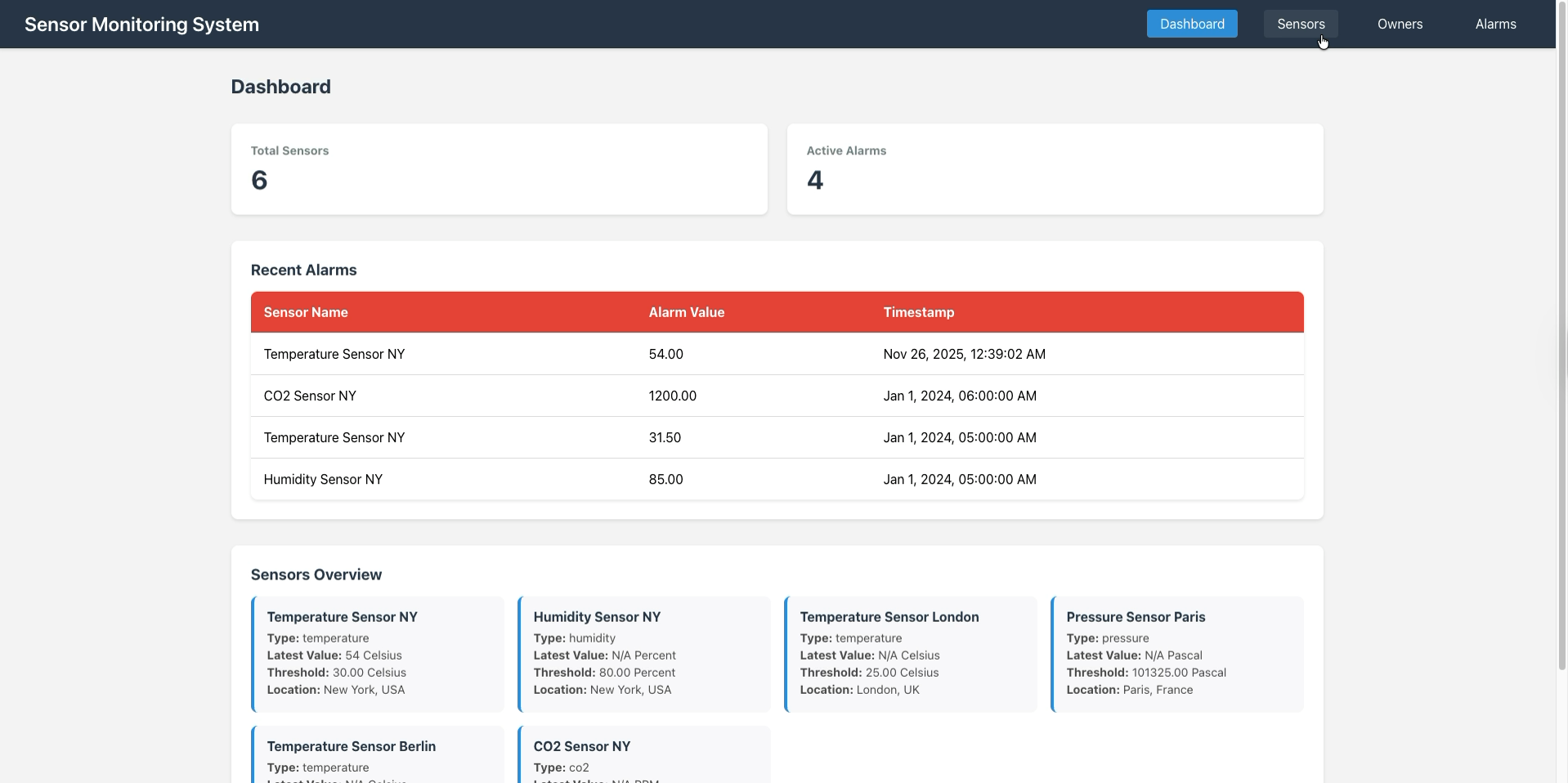
Environmental-Sensor-Monitoring
PersonalBuilt with React and TypeScript for the frontend and Express.js with Node.js for the backend, the application provides a unified user interface that abstracts the underlying database complexity. Users interact with the system through a single API layer, while the backend intelligently routes operations to the appropriate database—PostgreSQL for persistent relational data and Redis for high-performance caching and real-time metrics aggregation.
The system demonstrates key database integration patterns including data synchronization, cache management, and cross-database querying, all while maintaining complete transparency to end users. This implementation serves as a practical example of polyglot persistence, showcasing how different database technologies can work together to optimize both data integrity and performance.
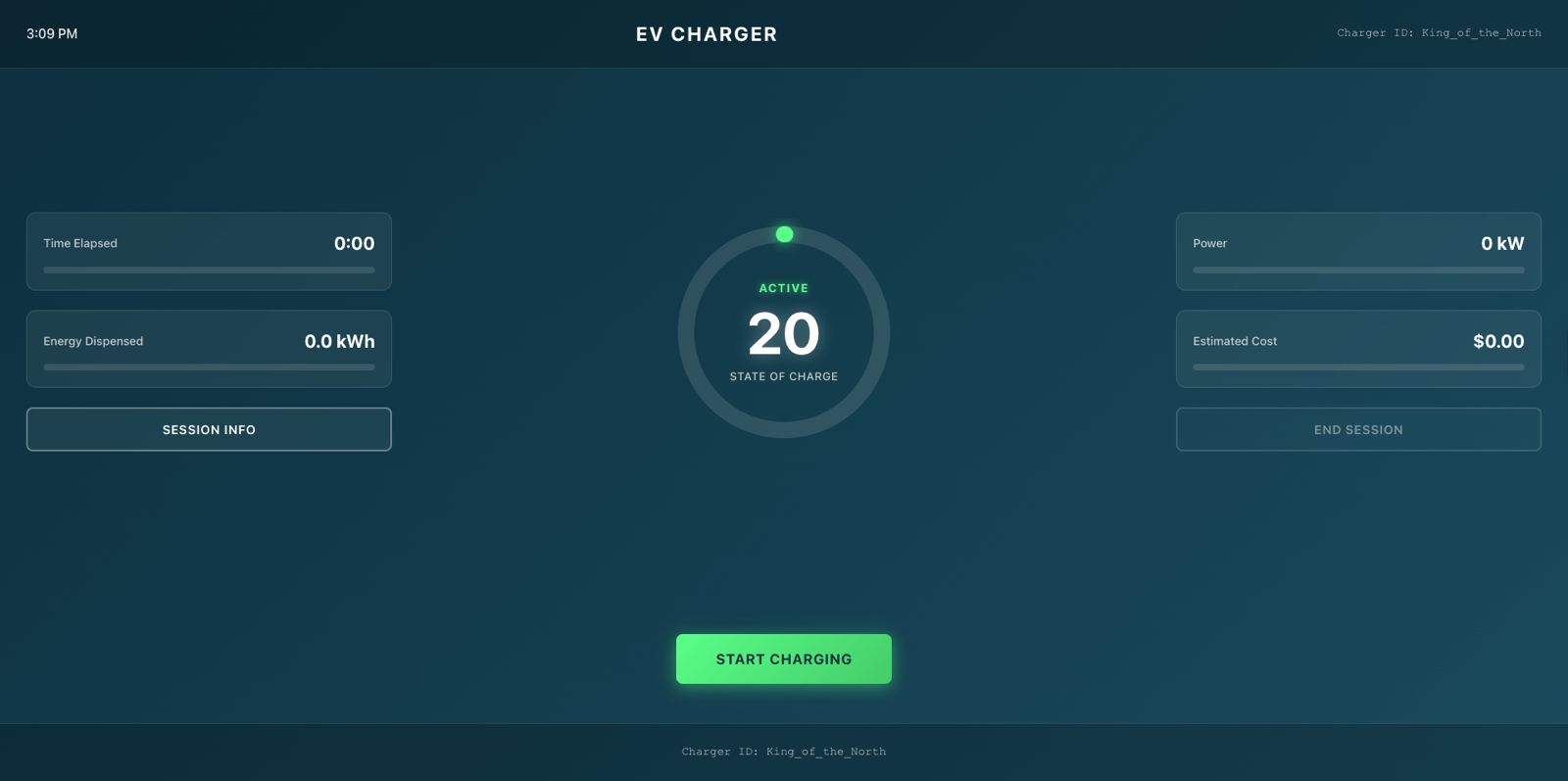
charger-sim
PersonalThe simulator generates realistic mock charging data using an algorithm that mimics real EV charging behavior. The State of Charge (SOC) starts at 20% and increases by 1-2% per second until reaching 90%, simulating a typical fast-charging session. The power output follows a realistic charging curve: it starts at maximum capacity (~50 kW) and gradually tapers as the battery approaches higher SOC levels, with more aggressive tapering after 60% to protect battery health. Voltage varies realistically between 380-420V (typical for DC fast charging), while current is dynamically calculated from power and voltage using Ohm's law (I = P/V). Battery temperature gradually increases over time to simulate the heat generated during charging. All numeric values are rounded to 2 decimal places before being sent to the backend API.
Let's Work Together
Have a project in mind? I'd love to hear from you. Send me a message and let's create something amazing together.